Peter Taylor
Environmental and Health Sciences in their Social Context:
Critical Thinking & Reflective Practice
Research, Teaching, Field Building and Associated Links
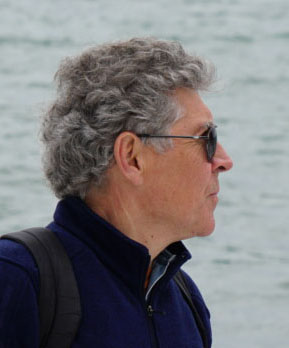
As a Professor at the University of Massachusetts Boston, I direct three programs: the Critical and Creative Thinking (CCT) Graduate Program, which aims to provide its mid-career or career-changing students with "knowledge, tools, experience, and support so they can become constructive, reflective agents of change in education, work, social movements, science, and creative arts"; the Science in the Changing World Graduate track; and the undergraduate Program in Science, Technology and Values.(Links to my syllabi for courses in these and other programs)
The intellectual basis for my work in and across these interdisciplinary endeavors lies in my analyses of complexity in the social situation in which the research is undertaken as well as in the situations studied in science. For many years my focus in science was on ecology and environmental studies, but in recent years I have been studying social epidemiological approaches that address the life course development of health and behavior. I argue that both the situations studied and the social situation of the researchers can be characterized in terms of unruly complexity or "intersecting processes" that cut across scales, involve heterogeneous components, and develop over time. These cannot be understood from an outside view; instead positions of engagement must be taken within the complexity. Knowledge production needs to be linked with planning for action and action itself in an ongoing process so that knowledge, plans, and action can be continually reassessed in response to developments -- predicted and surprising alike. In this spirit, I explore ways to stimulate researchers (and students training to become researchers) to self-consciously examine the complexity of their social situatedness so as to change the ways they address the complexity of the situations they study. (See blogs on complexity & change in environment, biomedicine & society and critical thinking & reflective practice.)
This project on complexity and change had its beginnings in environmental and social activism in Australia which led to studies and research in ecology and agriculture. I moved to the United States to undertake doctoral studies in ecology, with a minor focus in what is now called science and technology studies (STS). Subsequently, I combined scientific investigations with interpretive inquiries from the different disciplines that make up STS, my goal being to make STS perspectives relevant to life and environmental students and scientists. Critical thinking and critical pedagogy/reflective practice became central to my intellectual and professional project as I encouraged students and researchers to contrast the paths taken in science, society, education with other paths that might be taken, and to foster their acting upon the insights gained. Bringing critical analysis of science to bear on the practice and applications of science has not been well developed or supported institutionally, and so I continue to contribute actively to new collaborations, programs, and other activities, new directions for existing programs, and collegial interactions across disciplines. My aspiration is to foster education that supports people to become resilient and reorganize their lives, communities, and economies in response to social, environmental changes.
Further elaboration of this work and details of specific products
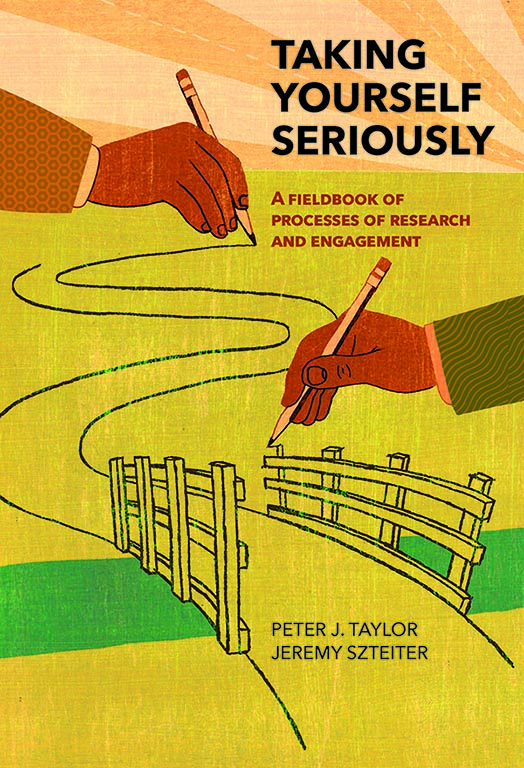
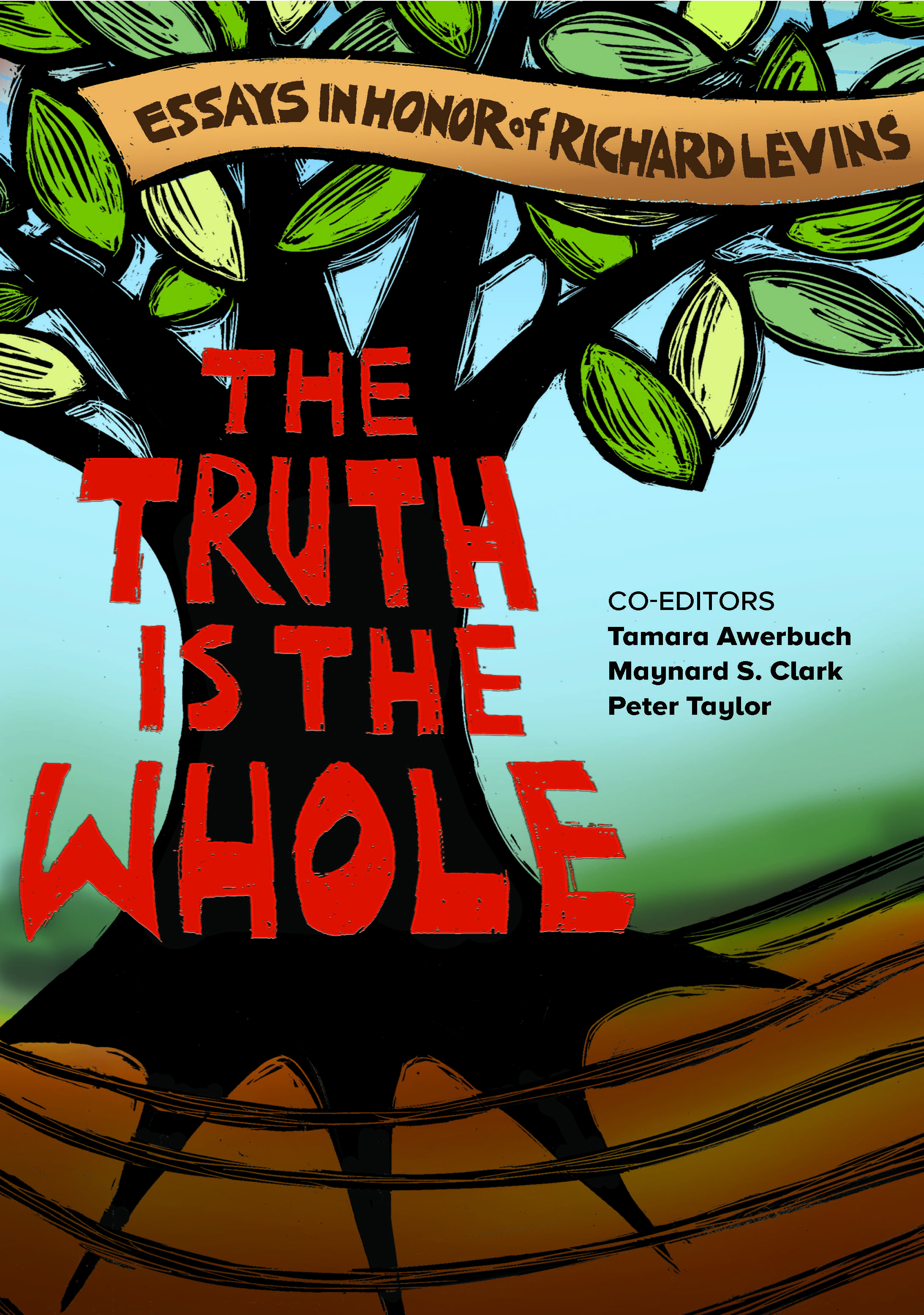

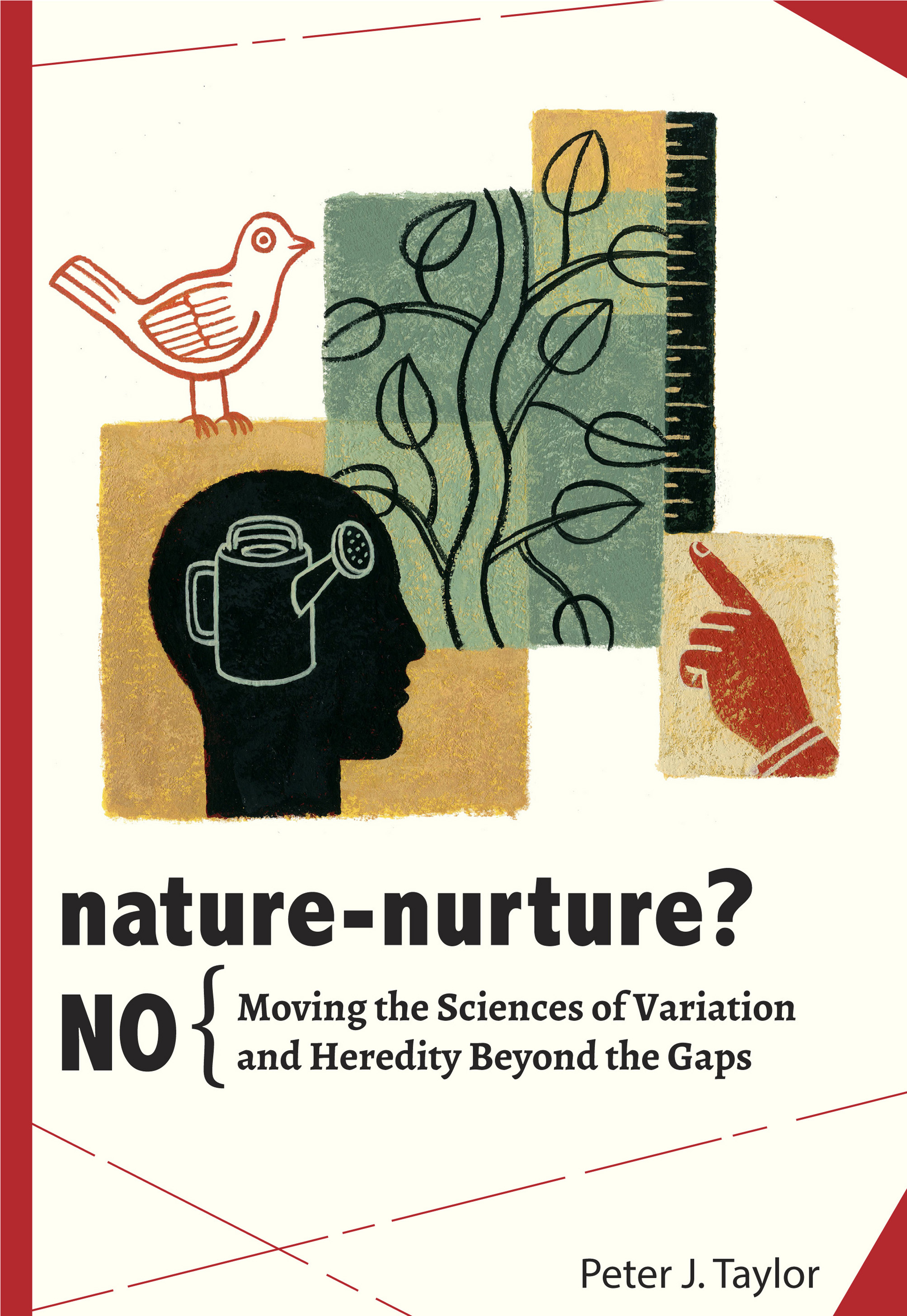
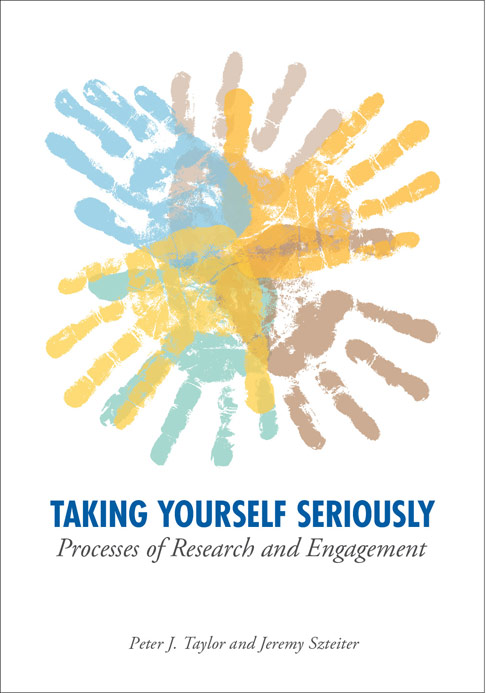
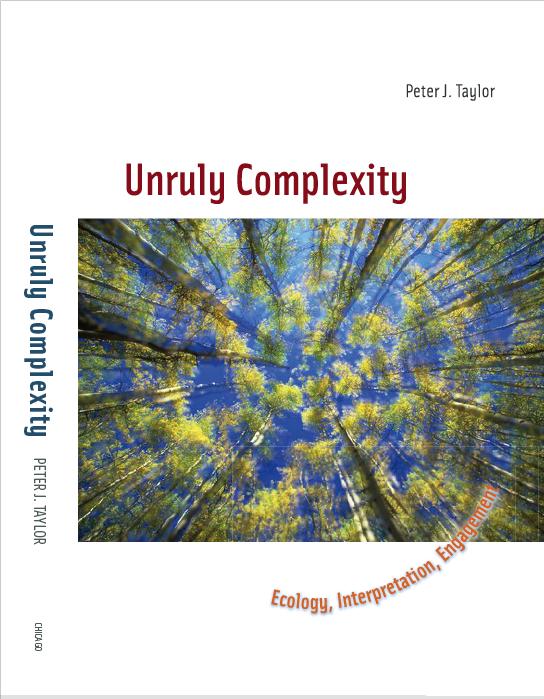
Selected recent publications
- (for books, click on image above)
- Working papers
- "Critical Epidemiological Literacy: Understanding Ideas Better When Placed in Relation to Alternatives," Synthese, in press
- "The genotype/phenotype distinction," Stanford Encyclopedia of Philosophy (with R. Lewontin), https://plato.stanford.edu/entries/genotype-phenotype/, 2017.
- "Bringing All to the Table: From the Pumping Station to Project-Based Learning," pp. 427-439 in C. Winslow (Ed.) River of Fire: Commons, Crisis, and the Imagination. Arlington MA: The Pumping Station, 2016.
- "The ethics of participatory processes: Dynamic flux, Open questions," pp. 325-337 in Rozzi, R., Pickett, S. T. A., Callicott, J. B., Chapin, F. S., Power, M. E., & Armesto, J. J. (Eds.). Earth Stewardship: Linking Ecology and Ethics in Theory and Practice. Springer, 2015.
- "Ecological Philosophy," Oxford Bibliographies in Ecology (http://www.oxfordbibliographies.com/), 2015.
- "A gene-free formulation of classical quantitative genetics used to examine results and interpretations under three standard assumptions," Acta Biotheoretica, 60(4): 357-378, 2012.
- "Collaborative explorations: Moderate-sized open online collaborative learning," in The Peeragogy Handbook, http://peeragogy.org
- "Conceptualizing the heterogeneity, embeddedness, and ongoing restructuring that make ecological complexity 'unruly'," pp. 87-95 in Revisiting ecology. Reflecting on concepts, advancing science, ed. K. Jax and A. Schwarz, Berlin: Springer, 2011.
- "Shifting boundaries: From management to engagement in complexities of ecosystems and social contexts," pp. 248-263 in A. Belgrano, C. Fowler (eds.), Ecosystem Based Management for Marine Fisheries: An Evolving Perspective. Cambridge: Cambridge University Press, 2011.
- "Agency, structuredness, and the production of knowledge within intersecting processes," pp. 81-98 in M. Goldman, P. Nadasdy, and M. Turner (eds.), Knowing Nature: Conversations between Political Ecology and Science Studies, Chicago: University of Chicago Press, 2011.
- "Cultivating Collaborators: Concepts and Questions Emerging Interactively From An Evolving, Interdisciplinary Workshop" (with S. Fifield and C. Young) Science as Culture, 20(1): 89-105, 2011.
- "Infrastructure and Scaffolding: Interpretation and Change of Research Involving Human Genetic Information," Science as Culture, 18(4):435-459, 2009.
Funded NSF projects
About my Teaching
- Review of Teaching and Courses, September 2005 (with links to previous versions).
- Guided Tour of Teaching (accompanying Chancellor's Award for Distinguished Teaching, May 2009)
- Teaching Philosophy, October 1997
- think-pieces on Teaching/Learning
- Key Teaching/Learning Tools (PDF)
- Evolving webs related to teaching
- Guidelines on Educationally Sound Educational Technology (PDF)
- Syllabi, from 1990-present.
- Courses, University of Massachusetts, Boston
- Mathematical Thinking (Fall '19)
- Processes of Research and Engagement (Fall '19)
- Synthesis of Theory and Practice (Spr '19)
- Epidemiological Thinking and Population Health (Spr '19)
- Biology in Society: Critical Thinking (Spring '19)
- Design for Living Complexities (Summer '18)
- Scientific and Political Change (Spr '18)
- Critical Thinking (Fall '17)
- Changing Life: Reading the Intersections of Gender, Race, Biology, and Literature (Spring '17)
- Action Research for Educational, Professional, and Personal Change (Spr '16)
- Cognitive Psychology (Fall '15)
- Gender, Race, and the Complexities of Science and Technology (Spr '15)
- Creative Thinking, Collaboration and Organizational Change (Cultivating Collaborators) (Summer '14)
- Creative Thinking (Fall '13)
- Environment, Science, and Society: Critical Thinking (Fall '10)
- Reflective Practice (Spring '09)
- Making Sense of Numbers (Seminar in Critical Thinking, Fall '01)
- Computers, Technology and Education (Fall '01)
- Science in Society (Seminar in Critical Thinking, Spr '99)
Interdisciplinary initiatives
Social media
Other links
If you are visiting here because from wikispaces.umb.edu has been discontinued, try adding /wikipagename.html to the URL (where you substitute the wikipage's name you sought for wikipagename) or put /thecoursenumber before this if the wikispace was for a course.
Created June 11, 1995; Last revised August 19, 2019